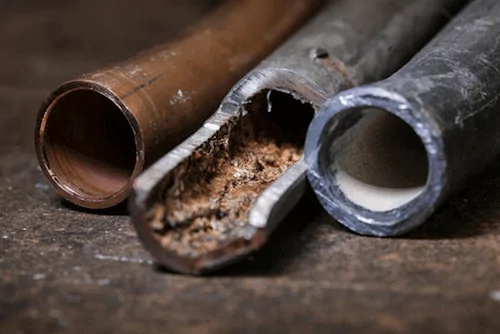
Why the Bronx Should Not Wait for a Lead Pipe Scare Before Asking Questions begins with a distinction that is easy to miss: municipal water can leave a treatment and distribution system with very little lead, yet collect lead after contacting service lines, solder, brass, galvanized scale, or older interior components. For families, landlords, and community stakeholders in the Bronx, the useful question is therefore not simply whether the city has lead pipes. It is how water travels through older apartments, multifamily buildings, and private homes, how long it contacts each material, and which evidence can locate the most important contribution.
This article focuses on using preventive investigation before a headline, notice, or child-related concern forces the issue. It does not treat building age, a service-line map, a visual pipe check, or one laboratory bottle as a complete answer by itself. Instead, it combines infrastructure records, water-use patterns, corrosion science, carefully selected samples, and responsibility boundaries. That approach supports protective action without turning every unknown into a claim that the entire property is contaminated.
Primary Prevention Before a Household Becomes a Case Study for the Bronx Should Not Wait for a — Section 1
Primary prevention means identifying and removing lead hazards before exposure produces harm. In drinking water, that principle supports service-line inventories, corrosion control, targeted sampling, public notice, certified filtration when needed, and full replacement of lead-bearing infrastructure. Waiting for visible symptoms is inappropriate because lead exposure may not produce obvious early signs. Readers can compare this step with the household health-risk overview when organizing the property record.
Community programs work best when households can connect system-level information to their own property. An inventory entry, a school sampling notice, or a replacement schedule should lead to clear next steps rather than generalized alarm. Prevention becomes practical when responsibility, timing, and evidence are transparent.
Neighborhood Age Is a Clue, Not a Property-Level Finding for the Bronx Should Not Wait for a — Section 2
An older neighborhood can increase the probability of legacy materials, but it cannot identify the plumbing at one address. Streets are rebuilt in phases, service lines are replaced property by property, and interiors change at different times. Two adjacent buildings may therefore have different materials and water-contact conditions. The current public framework is summarized in EPA’s Lead and Copper Rule Improvements.
Neighborhood history is best used to prioritize questions: when was the main replaced, what does the service-line inventory show, which permits exist, and what is visible at the meter? The answer should then narrow to the actual property. Local context guides the investigation; it does not substitute for it.
Records That Can Reconstruct the Hidden Plumbing History for the Bronx Should Not Wait for a — Section 3
Old plumbing is often documented indirectly. Building permits, street-opening records, water-system inventories, renovation invoices, board minutes, capital plans, inspection photographs, and plumber reports can each reveal part of the history. The most useful record is not always the newest one; an older sketch may show a service route that later cosmetic plans omit. Records should be dated and treated as evidence with limits rather than as absolute proof. Readers can compare this step with the lead-pipe research blog when organizing the property record.
For the Bronx, create a chronology rather than a loose folder. Note when the service line was installed or repaired, when kitchens and bathrooms were renovated, whether risers were replaced, and whether any lead or unknown-material notices were issued. Securing independent lead water testing in the Bronx ensures that property owners receive impartial laboratory documentation prior to expensive capital improvements. This chronology can explain why a seemingly modern unit remains connected to older common piping and can help a laboratory professional choose sample points that correspond to real construction phases.
Where the Street Connection Enters the the Bronx Lead Question for the Bronx Should Not Wait for a — Section 4
The service line is the pipe connecting the street main to the building, and its material may differ on the utility-owned and property-owned sides. Lead, galvanized steel that was once downstream of lead, copper, and other materials may appear in local inventories. Service-line records are valuable, but a record marked unknown is not proof that lead is present, and a record marked non-lead does not evaluate solder, fixtures, or interior components. The service connection belongs in the investigation because it defines the first privately influenced part of the water route. The current public framework is summarized in CDC guidance on lead in drinking water.
Ownership rules and replacement programs vary by municipality. A complete decision therefore combines inventory information, physical inspection where appropriate, licensed-plumber input, and tap sampling designed for the property. Partial replacement requires special care because disturbing an old line or joining different metals can alter scale and release particles. Permanent removal of lead-bearing service material is an infrastructure solution; flushing and filtration are exposure controls while that solution is being planned.
A Sample Plan Built Around Using Preventive Investigation Before A Headline, Notice, Or Child-Related Concern Forces The Issue for the Bronx Should Not Wait for a — Section 5
Lead sampling is most useful when the bottle is tied to a specific question. A first-draw sample after a defined stagnation period emphasizes water that has been in contact with the local faucet and nearby plumbing. A follow-up sample after controlled flushing may shift attention farther upstream. Additional sequential samples can sometimes help locate where lead-bearing material may be contributing, but they require careful planning because water volume, pipe diameter, fixture aerators, and household use all affect interpretation. Readers can compare this step with the practical lead-pipe resources when organizing the property record.
The sample plan for older apartments, multifamily buildings, and private homes should record the tap, date, stagnation time, recent plumbing work, temperature, aerator status, and whether the outlet is normally used for drinking or cooking. Laboratories should be selected for appropriate drinking-water lead analysis, and chain-of-custody instructions must be followed. More bottles do not automatically mean better evidence; the value comes from selecting locations and timing that can separate competing explanations.
Building a Written Record That Residents and Managers Can Use for the Bronx Should Not Wait for a — Section 6
Lead communication should be specific enough to guide action and calm enough to preserve trust. Notices should state what prompted the review, which fixtures were sampled, the protocol used, the result units, immediate precautions, and the next scheduled step. Phrases such as everything is safe or the whole building has lead are rarely justified by limited evidence. The current public framework is summarized in NYC DEP guidance on lead and drinking water.
Residents also need a channel for reporting relevant details: floor, unit line, faucet, stagnation, recent work, filter use, and household concerns. A dated log prevents the investigation from being rebuilt from memory each time a new person becomes involved. For boards and managers, consistent records also support contractor scope, budgeting, and regulatory communication.
From Partial Repair to Complete Lead-Bearing Material Removal for the Bronx Should Not Wait for a — Section 7
Permanent risk reduction centers on removing lead-bearing material rather than managing contact forever. Replacement planning should define the full segment to be removed, who owns each portion, how the building will remain supplied, and what flushing and follow-up sampling will occur. Partial service-line replacement can disturb scale and create galvanic conditions, so coordination between utility and property work is critical. Readers can compare this step with the local lead-pipe information hub when organizing the property record.
Interior work should also be sequenced. Contractors need to identify lead solder, brass components, galvanized sections, and fixtures likely to contribute. After construction, debris control, flushing, aerator cleaning, and post-work sampling should be documented. A replacement project is complete only when the physical work and the water-quality follow-up support the same conclusion.