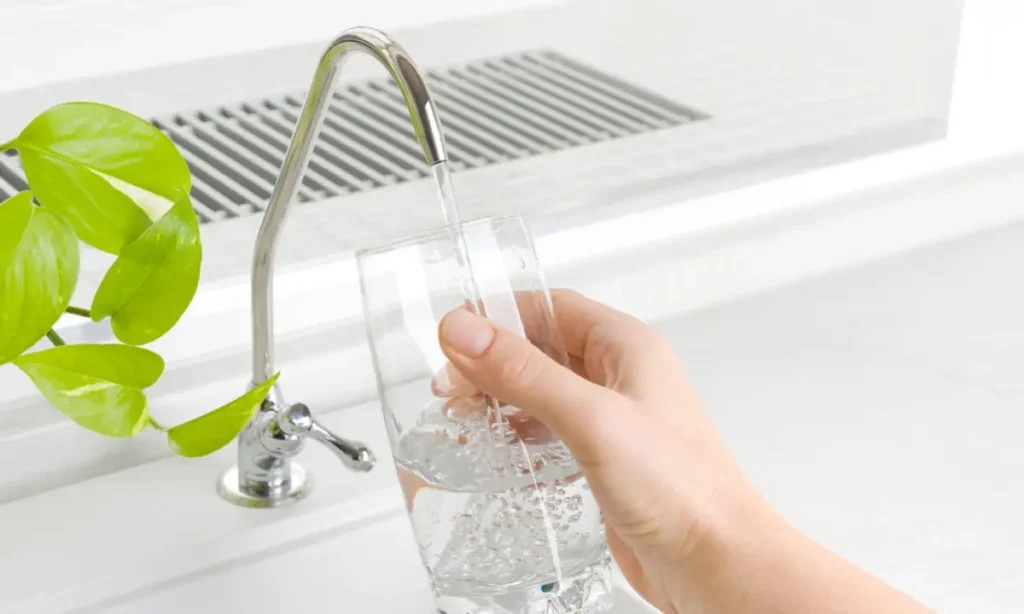
As parents, our primary instinct is to protect our children. We childproof our cabinets, install baby gates, and carefully curate their diets to ensure they are healthy and thriving. Yet, one of the most significant health risks can be hiding in plain sight—or, more accurately, behind our walls and buried under our streets.
If you live in an older home or a city with aging infrastructure, you may have concerns about lead pipes and your family’s drinking water. It is a topic that often feels overwhelming, filled with technical jargon and conflicting headlines. This guide aims to clear the confusion, providing you with straightforward, actionable information to help you understand the risks and take the right steps for your family’s safety.
Understanding the Risk: Why Lead Matters
Lead is a toxic metal that was commonly used in plumbing materials and household paint for decades before its hazards were fully recognized. While the use of lead in new plumbing has been banned in the United States since 1986, many homes—particularly those built before this time—may still have lead service lines or plumbing fixtures that contain lead.
When water travels through pipes made of lead, or through brass or bronze fixtures containing lead, the metal can leach into the water supply. This process is often accelerated by chemical changes in the water, such as increased acidity or lower mineral content.
For children, the stakes are exceptionally high. Health risks associated with lead exposure are well-documented. Because children’s bodies are still developing, they absorb lead more easily than adults do. Even low levels of exposure can have lasting effects on a child’s neurological development, potentially leading to behavioral issues, learning disabilities, and developmental delays. There is no known safe level of lead in a child’s blood, which is why proactive awareness is the best approach for any parent.
Identifying Potential Issues in Your Home
You don’t need to be a plumber to get a sense of whether your home might be at risk. The first step is to look at the age and history of your property.
Check Your Service Line
The service line is the pipe that carries water from the main utility line under the street into your home. In older urban areas, these lines are the most common source of lead. You can often perform a quick visual inspection of lead pipes yourself. Look where the pipe enters your home—often in the basement or utility closet. If you see a pipe that is a dull gray color and soft enough to be scratched by a coin (revealing a shiny, silver color underneath), it is highly likely to be made of lead.
Know Your City
Lead plumbing in cities is a reality in many historic or densely populated areas. Municipalities often have public records or maps that indicate which neighborhoods or street segments have known lead service lines. Checking your local water utility’s website is an excellent starting point. Many cities now provide “lookup tools” where you can enter your address to see if your property is tagged as having a lead service line.
Consider Your Fixtures
Even if your main service line is safe, the interior plumbing might not be. Utilizing trusted Brooklyn domestic water testing services allows parents to confirm that internal fixtures are not contributing metals to family drinking water. Faucets, fittings, and valves installed before 2014 may still contain higher levels of lead. If you have recently renovated or are planning to, always look for the “lead-free” certification on new fixtures.
Immediate Steps You Can Take
If you suspect you have lead pipes or are simply concerned about the water quality in your home, you do not need to wait for a full-scale renovation to take action.
- Test Your Water: You cannot taste, smell, or see lead in water. The only way to know for sure is to have it tested by an accredited laboratory. Contact your local water utility; many offer free or discounted testing kits for residents.
- Use a Certified Filter: If you are worried about lead, a water filter is a powerful, cost-effective solution. Ensure you purchase a filter that is NSF/ANSI Standard 53 certified specifically for the reduction of lead. Keep in mind that not all filters remove lead, so checking the label is vital.
- Flush Your Pipes: If water has been sitting in your pipes for several hours (like when you first wake up or return from school/work), run the cold water tap for at least two to three minutes before using it for drinking or cooking. This flushes out the water that has been in contact with the pipes the longest.
- Always Use Cold Water: Never use hot tap water for drinking, cooking, or preparing baby formula. Heat increases the rate at which lead leaches from plumbing into the water.
Taking Action: Long-Term Solutions
While the immediate steps above are excellent for reducing exposure, they are maintenance-heavy. The ultimate goal for many families is the permanent removal of lead sources.
Infrastructure and replacement programs are becoming increasingly common across the country. Federal and state grants are often available to help homeowners replace private service lines, which can be a significant financial burden. If you have confirmed that you have a lead service line, contact your local water department to ask about “lead service line replacement programs.” Many cities are currently prioritizing these replacements, and you may qualify for financial assistance.
For those who want to dive deeper into the technicalities or need specific advice, many helpful resources are available online to guide you through the process of working with contractors and local government agencies.
A Final Thought for Parents
It is natural to feel anxious when you learn about the potential for lead in your home. However, it is important to remember that this is a manageable issue. By testing your water, using proper filtration, and understanding your home’s infrastructure, you can effectively eliminate the risk.
If you are still feeling unsure, check the frequently asked questions section of reliable water safety websites. These resources are designed to help you navigate the specific nuances of your local water quality.
Knowledge is your most effective tool for childproofing your home. By taking these steps, you are not just ensuring that your family’s water is clean today—you are investing in their health and well-being for years to come. Stay informed, stay proactive, and take control of the water that flows into your home.
Disclaimer: This guide is for informational purposes only and does not constitute professional medical or plumbing advice. If you suspect your child has been exposed to lead, please consult your pediatrician for a blood lead level test. Always consult with a licensed professional before making significant changes to your home’s plumbing system.