For residents living in Brooklyn’s historic brownstones, the charm of 19th and early 20th-century architecture often comes with a hidden layer of aging infrastructure. While the water delivered to your home by the City is lead-free, the “last mile”—the service line connecting your building to the water main—and your home’s internal plumbing can still pose a risk of lead exposure.
Understanding Your Risk
In New York City, lead service lines were commonly installed until 1961, and lead-based solder was frequently used in plumbing connections until 1987. Because many Brooklyn brownstones predate these years, they are statistically more likely to have plumbing materials that can leach lead into your drinking water.
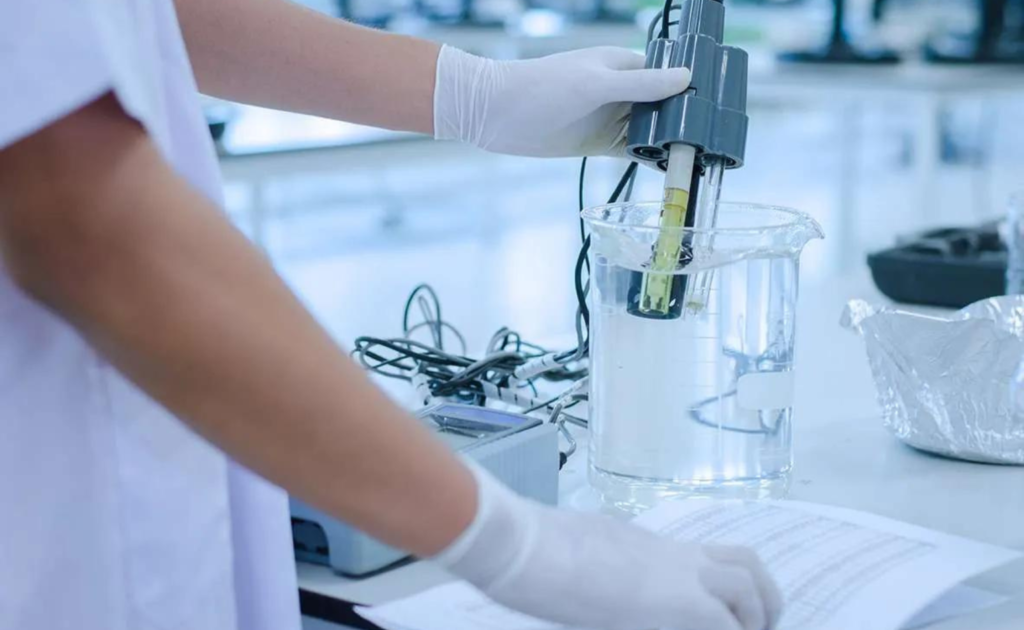
Lead is a “silent” contaminant; it does not change the taste, smell, or appearance of your water. Arranging certified home water testing in Brooklyn provides brownstone owners with verified numerical data on stagnant and flushed water quality. It typically enters the supply through corrosion, which is accelerated when water sits stagnant in pipes for several hours, such as overnight or while you are at work.
How to Identify Your Service Line
You don’t need a professional to get a good indication of your pipes’ material. You can perform a simple “scratch test” in your basement or utility area:
- Locate the line: Find the pipe where it enters your home, usually near the water meter.
- Scratch the surface: Using a coin or flathead screwdriver, gently scratch through any outer paint or corrosion.
- Analyze the results:
- Shiny/Silver: If it’s shiny and silver, it may be lead. A magnet will not stick to lead.
- Copper-colored: If it looks like a new penny, it is copper. A magnet will not stick to copper.
- Dull Gray/Hard: If it’s hard and a magnet sticks to it, it is likely galvanized steel.
For visual assistance, you can refer to this guide on identifying service lines.
Immediate Steps to Protect Your Water
If you are concerned about lead, you don’t have to wait for a renovation to make your water safer:
- Flush the tap: Run your cold water tap for at least 30 seconds (or until it turns noticeably colder) before using it for drinking, cooking, or mixing baby formula. This flushes out water that has been sitting in your pipes.
- Cold water only: Lead dissolves much faster in hot water. Never use water from the hot tap for consumption.
- Clean your aerator: Periodically unscrew the mesh screen on your faucet and rinse away any sediment or particles that have trapped lead over time.
- Use a certified filter: If you use a water filter, ensure it is NSF/ANSI Standard 53 certified specifically for lead reduction.
Resources for Brooklyn Residents
- Check your status: Use the NYC Water Service Line Map to see if your property has a recorded lead service line.
- Get a free test kit: The NYC Department of Environmental Protection (DEP) provides free, self-guided lead testing kits. You can request one by calling 311 or visiting the DEP website.
- Replacement programs: In certain areas, the City offers free lead service line replacement for eligible properties. You can check your eligibility or learn more through the NYC Lead Service Line portal.
Are you interested in learning more about the health effects of lead or how to request a replacement if your service line is confirmed to be lead?
Identifying Lead Water Service Lines
This video provides a clear, step-by-step visual demonstration of how to perform the scratch and magnet test to identify the material of your home’s water service line.